

The Islamic Republic of Iran is once again the site of a catastrophic human rights crisis. Since late December 2025, peaceful demonstrations sparked by deepening economic despair — including inflation, currency collapse and widespread frustration with systemic repression — have spread across Iran. In response, the Iranian government, led by Supreme Leader Ayatollah Ali Khamenei and enforced by the Islamic Revolutionary Guard Corps (IRGC) and other security forces, has launched an unprecedented crackdown that has cost thousands of civilian lives and seen tens of thousands arrested, tortured, and silenced. (The Guardian)
Reports emerging through partial internet restoration following a regime‐imposed blackout describe scenes of mass violence. Human rights reporting groups estimate that over 3,000 protesters have been killed so far, including children, and more than 22,000 have been detained. (The Guardian) In some analyses — hampered by the blackout and information repression — unofficial tallies have ranged much higher, reflecting the extremely opaque environment. (Wikipedia)
Amnesty International and Human Rights Watch have documented systematic unlawful use of force by Iranian security forces, including live ammunition, shotguns with metal pellets aimed at heads and eyes, water cannons, tear gas and beatings against largely peaceful protesters. (Amnesty International) Hospitals have been overwhelmed with the dead and wounded, and there are verified accounts of security forces attacking medical facilities and detaining injured protesters. (Amnesty International)
What is happening is not merely law enforcement against unrest. It is a state policy of repression that amounts to crimes against humanity under international law, including arbitrary detention, extrajudicial killings, torture and enforced disappearances. (Amnesty International)
The World Cannot Ignore This Atrocity
In past crises — from Syria to Myanmar — delays in decisive action have allowed authoritarian regimes to consolidate repression and bury justice under layers of impunity. The Iranian government’s repeated internet shutdowns are not merely technical maneuvers but calculated tools to obscure evidence of widespread abuses and prevent the world from seeing the magnitude of the atrocity. (Amnesty International)
The global democratic community has a moral and legal obligation to stand with the people of Iran and to take both principled and practical steps that can weaken the regime’s capacity to terrorize its own citizens.
Concrete Actions Democratic Countries Must Take
1. Expel Iranian Ambassadors and Restrict Embassy Presence
Diplomatic missions are often spaces where authoritarian regimes organize support, influence operations and evade accountability. Democratic nations should immediately expel the Iranian ambassadors and diplomats complicit in the regime’s abuses and reduce embassy staffing to the minimum required under international law (Chargé d’affaires only). No diplomat should be permitted to operate freely outside of essential consular functions. This sends a clear message: the world does not accept violence against peaceful protestors.
2. Freeze and Forfeit Assets of Regime Officials and Relatives Abroad
Thousands of regime insiders — including relatives of senior clerics and IRGC commanders — hold assets in Western financial centers like London, New York, Toronto and Vancouver. These assets should be frozen and potentially confiscated if links to human rights violations are proven. Bank accounts, real estate and investments held by regime families should not be allowed to serve as safe havens while their counterparts are terrorizing civilians.
Simultaneously, democratic countries must create safe corridors for political refugees fleeing repression. Those who leave Iran seeking protection from persecution should be given expedited refugee status and strong protections, including housing, work permits and legal support.
3. Block Regime Social Media and Information Channels
Iran’s leaders, state media outlets and propagandists regularly use social media platforms to spread disinformation, justify state violence, and undermine international solidarity with protesters. Outlets funded or controlled by the Iranian Revolutionary Guard Corps or the Ministry of Intelligence should be banned from operating on Western social platforms and communications networks. This prevents the regime from weaponizing Western technology against its own people.
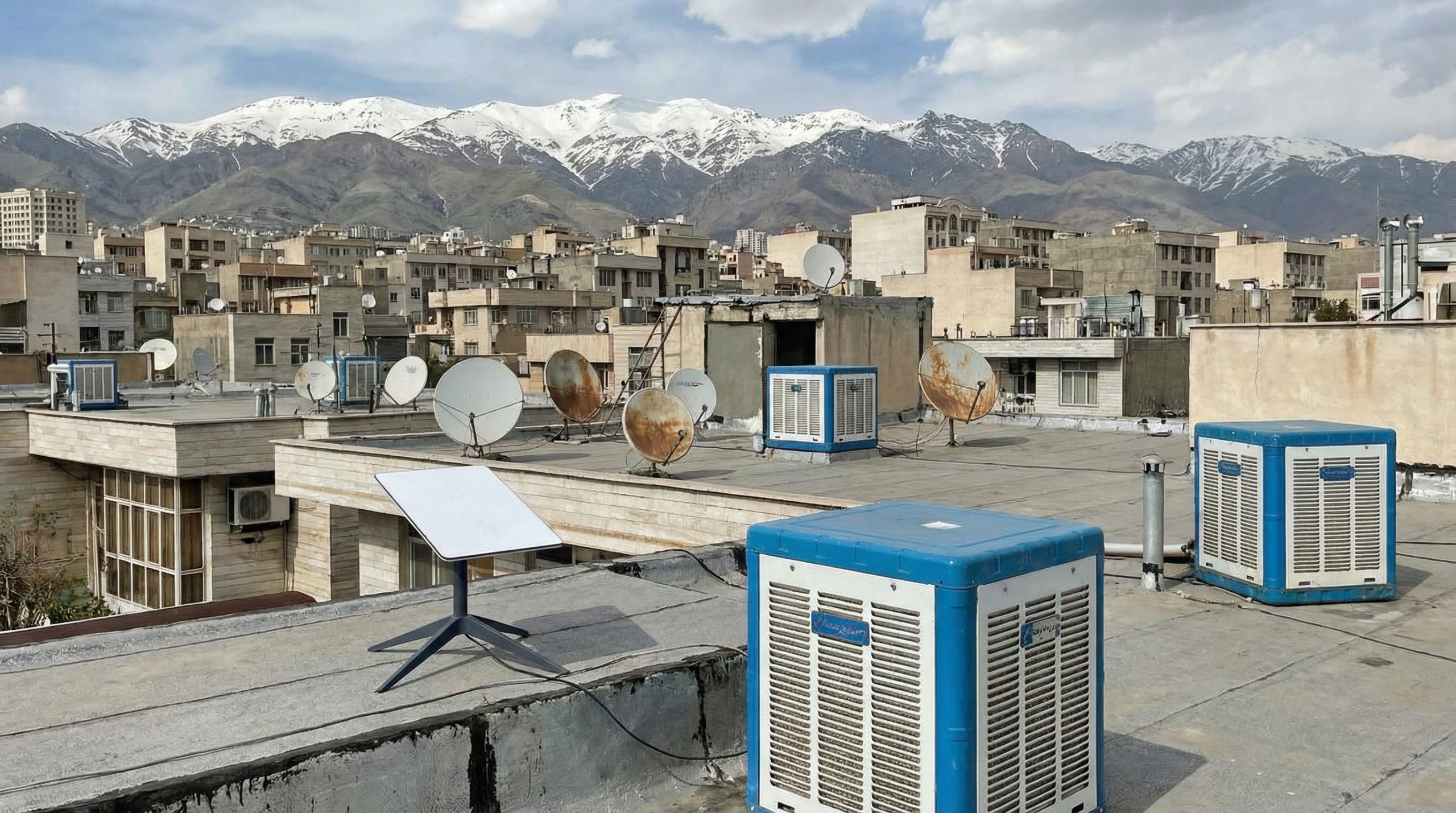
At the same time, efforts to use satellite internet, such as clandestine Starlink connections, must be defended and expanded — not suppressed — since Iranian authorities have tried to jam these signals precisely to silence dissent and conceal violations. (Vox)
4. Disrupt Regime Broadcast and Propaganda Signals
Democratic governments should explore legal and technical measures to block or limit Iranian state broadcast signals — radio, television and online — that propagate misinformation or justify heinous violence. These broadcasts are tools of repression when they promote hate, dehumanize opponents, and rationalize state murder. International regulators should delicense or sanction any foreign broadcast network that actively abets violence.
5. Impose Targeted Sanctions and Legal Accountability
Sanctions must be strengthened to target individuals and entities directly responsible for human rights abuses — including commanders of the IRGC, Basij militia leaders, judicial officials who issue summary death sentences, and intelligence operatives who orchestrate torture and disappearances.
In parallel, democratic states should support universal jurisdiction prosecutions where possible, enabling courts in countries like Germany, Canada, and the Netherlands to investigate and try those responsible for crimes against humanity.
6. Support Independent Media and Investigative Documentation
International organizations and democratic governments must fund independent journalism and documentation of human rights abuses inside Iran. The internet blackout is precisely designed to choke off information — so the world must amplify every credible account that escapes censorship and ensure the victims’ stories are heard.
A Call to Action
The regime in Tehran must understand that its brutality has consequences beyond its borders. Democratic countries — individually and through multilateral bodies like the UN, EU and ICC — must act with urgency and resolve.
This is not merely a geopolitical issue; it is a human rights imperative. History will judge those who stood with the oppressed and those who hesitated while tyranny prevailed. The time to act is now.